Design

À lire aussi
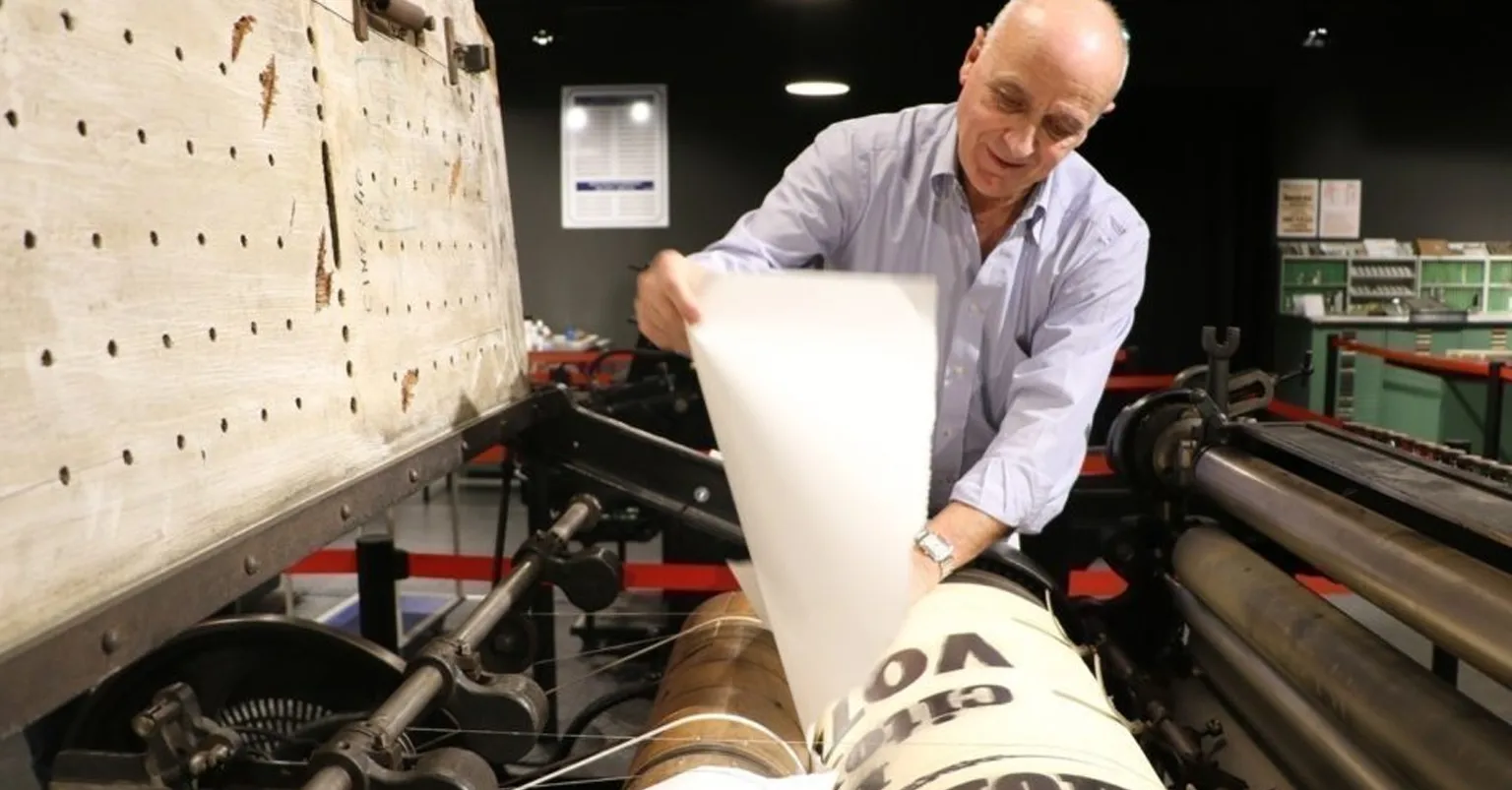
The printing market is going through a period of unprecedented structural transformation. The convergence between physical media and digital technologies is redrawing the contours of a sector that some imagined condemned by “all digital”.
.png)
Marketplace, Waalaxy integration, offline AI scanner, badge folders, multilingual app... WEMET is opening up to your ecosystem this month. Discover all the new features and our tips for getting the most out of them.
The personalized plastic card is an essential tool for companies concerned about their image and their operational efficiency. Much more than a simple information medium, it embodies sustainability and innovation, in particular thanks to the integration of contactless technologies.

At WEMET, we support professionals in creation of PVC cards connected ones that turn every exchange into an opportunity. This article details the technical aspects of printing, high-end finishes, and best practices for designing high-performance cards.
A personalized plastic card is a PVC communication medium, offering greater resistance and perceived quality than paper. Complying with ISO 7810 standards (credit card size 85.60 x 53.98 mm), it serves as an image vector for the company while fulfilling specific technical functions.
PVC (polyvinyl chloride) is the material of choice for card manufacturing thanks to its smooth surface, ideal for high definition printing, and its structural rigidity. Unlike paper, PVC is resistant to humidity and tears, guaranteeing a long life.
With a view to environmental responsibility, we work at WEMET only with recycled PVC. This choice testifies to our commitment to practices that respect the environment and sustainable development by offering eco-responsible connected business cards. This approach reduces the carbon footprint of each badge without compromising visual quality or robustness.
The adoption of the plastic card ensures a return on investment thanks to its longevity. Where a paper card is quickly damaged, a PVC card maintains its integrity and its data permanently. This resilience reinforces thebranding : handing over a rigid and qualitative card immediately conveys seriousness and professionalism.
Versatility is a major asset. We integrate the NFC technology in our personalized PVC cards to modernize exchanges, transforming a simple physical object into a dynamic digital gateway.
The choice of PVC over cardboard is justified by objective technical criteria:
The manufacture of a personalized plastic card is an industrial process requiring micrometric precision to guarantee design fidelity and technical functionality. From file preparation to lamination, each step influences the rendering.
The choice of technique depends on the volume and the desired design. Here is a comparison of the usual methods:
UV and thermal printing offer the possibility of creating sophisticated finishes such as varnish, embossed logo or a matte effect for a unique and distinctive look.
To stand out, the personalizing includes technical options and surface finishes that are crucial for visual and tactile impact. This is where the personalized plastic card becomes a premium item.
The card must often interact with computer systems:
The design of a plastic card (85 x 54 mm) imposes specific constraints. Careful design is essential to guarantee readability and impact.
The hierarchy of information is essential. Focus on clarity: identifiable logo, essential text, strong contrasts. For a connected card, a visual call to action (touchless icon) encourages scanning.
Avoid these graphic pitfalls:
Provide vector files (AI, PDF) in CMYK mode (not RGB). It is imperative to include “lost funds” (2 mm) to ensure edge-to-edge printing without white borders after cutting.
The success of your project depends on the quality of design and the service provider chosen. A reliable partner offers expertise, transparency and seamless tools.
Evaluate the following criteria:
Ordering technical cards should remain simple. Our online configurator allows you to easily personalize your business cards with direct visualization. Accessible via This link, it guides you to choose materials and technological options intuitively.
For specific needs, our in-house graphic designer accompanies you to create your designs and adapt the visuals during production. This expertise ensures compliance with technical constraints while maximizing the aesthetic impact of your cards.
The custom plastic card exceeds the status of office supplies. Whether it's a connected business card or an access badge, it conveys your identity. By opting for recycled PVC and NFC, you are positioning your brand as modern and responsible.
We support this transition with local manufacturing and intuitive tools.